The Hands Behind Everyday Life: Meet Dr. David Gerlach
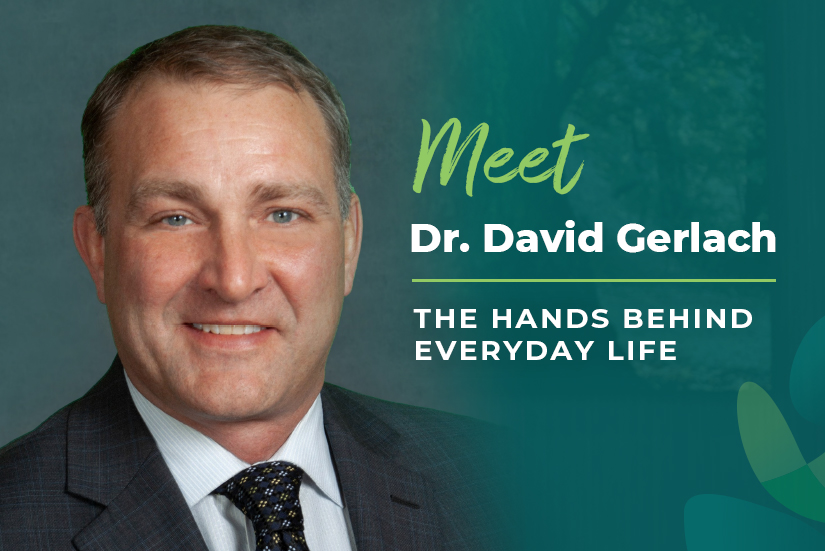
From buttoning a shirt and opening a jar to typing on a keyboard or picking up a grandchild, our hands play a role in nearly everything we do. So when pain, numbness, stiffness, or injury begins interfering with daily life, it can have a major impact.
That’s where orthopedic surgeons like Dr. David Gerlach come in.
As a hand and upper extremity surgeon with St. Cloud Orthopedics, Dr. Gerlach specializes in diagnosing and treating a wide range of hand conditions and performing necessary surgeries here at St. Cloud Surgical Center. From common issues like carpal tunnel syndrome and trigger finger to complex fractures, tendon injuries, and arthritis, his goal is simple: help patients get back to living comfortably and confidently.
A Specialty That Changes Lives
Dr. Gerlach’s path into hand surgery started during his training, where he had the opportunity to work alongside highly respected hand surgeons who left a lasting impression on him.
“I was impressed by their ability to truly change people’s lives,” he shared during a recent interview. “The anatomy of the hand is incredibly complex, and I really enjoyed the challenge of it.”
That complexity is part of what makes hand surgery such a unique field. The hand contains an intricate network of bones, nerves, ligaments, tendons, and joints, all working together to create movement and function. Even a small injury or condition can significantly impact a person’s quality of life.
Today, Dr. Gerlach treats a broad range of conditions, including:
- Carpal tunnel syndrome
- Trigger finger
- Arthritis, including thumb arthritis
- Fractures and traumatic injuries
- Tendon and ligament injuries
- Nerve injuries
Knowing When It’s Time to See a Specialist
One of the biggest questions patients ask is: How do I know when it’s time to see someone about hand pain?
According to Dr. Gerlach, patients should trust themselves.
For some injuries, like fractures or deep cuts, immediate evaluation is important. But for other conditions, it’s okay to start with conservative care such as:
- Rest
- Ice
- Bracing
- Anti-inflammatory medications
Still, when symptoms continue interfering with everyday life, it may be time to seek specialized care.
“When patients feel it’s time to come see a surgeon, they should feel comfortable doing that,” Dr. Gerlach said.
Exploring Non-Surgical Options First
At St. Cloud Surgical Center and St. Cloud Orthopedics, patient education and informed decision-making are a major priority. Dr. Gerlach emphasizes that surgery is not always the first answer.
Instead, treatment plans are personalized based on the diagnosis, severity of symptoms, and patient goals. Depending on the condition, non-surgical treatment options may include:
- Observation and monitoring
- Bracing or splinting
- Corticosteroid injections
- Activity modification
For conditions like arthritis, conservative management is often recommended for as long as possible before surgery becomes necessary.
“There are some situations where surgery is the best first step, like certain fractures,” Dr. Gerlach explained. “But for many patients, we explore all the options and help them decide what feels right for them.”
What the Surgical Process Looks Like
For patients who do require surgery, Dr. Gerlach believes the process starts with communication.
During clinic visits, patients meet with Dr. Gerlach and his physician assistant to discuss:
- Their diagnosis
- Treatment options
- Risks and benefits
- Expected recovery timelines
- Potential complications
The goal is to ensure every patient feels informed and involved in their care decisions.
Once surgery is scheduled, the process is typically straightforward. Many hand procedures are performed on an outpatient basis at St. Cloud Surgical Center, allowing patients to return home the same day.
Depending on the procedure, patients may receive sedation or anesthesia and are guided through preoperative instructions, recovery expectations, and follow-up care.
Why Outpatient Hand Surgery Matters
Many hand procedures are smaller in scale compared to major surgeries, making the outpatient setting an ideal option for patients.
According to Dr. Gerlach, there are several benefits to having these procedures performed at St. Cloud Surgical Center rather than a hospital setting.
“The flexibility of the surgery center is a huge benefit,” he said. “The team here is incredibly friendly and focused on creating a great atmosphere for patients.”
Additional benefits include:
- Efficient scheduling and shorter wait times
- Lower overall costs compared to hospital procedures
- Reduced exposure to hospital-acquired infections
- A more personalized patient experience
For patients, that often means less stress and a smoother path from diagnosis to recovery.
Helping Patients Feel Comfortable
It’s normal to feel nervous before surgery, especially when it involves something as important as your hands. That’s why Dr. Gerlach places a strong emphasis on patient comfort and communication.
“I try to spend as much time as patients need answering questions and helping them understand the process,” he explained.
He also believes in speaking with patients in clear, everyday language rather than overly technical medical terms.
“I think patients feel more comfortable when you talk to them like a normal person,” he said.
That supportive environment extends throughout the entire surgical center, where staff work together to create a calm, welcoming experience from start to finish.
And for patients anxious about being awake during surgery, sedation options are available for many procedures.
Defining Success
For Dr. Gerlach, success goes beyond the technical side of surgery.
A successful outcome means relieving symptoms, restoring function, and helping patients feel confident in the decisions they made throughout the process.
“The goal is for patients to feel informed, involved, and ultimately happy with their outcome,” he said.
At St. Cloud Surgical Center, that patient-centered philosophy is what drives every procedure, every interaction, and every recovery journey.
To learn more about hand and upper extremity care at St. Cloud Orthopedics and St. Cloud Surgical Center, visit St. Cloud Surgical Center.
How Outpatient Surgery Supports a More Sustainable Healthcare Model
When people think about sustainability, healthcare probably isn’t the first thing that comes to mind. But this Earth Day, we’re sharing what happens behind the scenes at St. Cloud Surgical Center to keep our facility running as smoothly as possible. As one of the longest-standing ambulatory surgical centers in Central Minnesota, we have set forth a standard of care that plays a significant role in how resources are used, how efficiently systems operate, and ultimately, how patients experience our services.
At St. Cloud Surgical Center, sustainability isn’t about buzzwords or trends. It’s about creating smarter systems, reducing unnecessary strain on both patients and resources, and delivering high-quality care in a way that makes sense, for today and for the future.
A More Efficient Model of Care
Outpatient surgery has transformed the way many procedures are performed, offering a more streamlined and efficient alternative to traditional hospital settings.
Because patients are able to return home the same day, outpatient care naturally reduces the need for extended stays, additional staffing, and ongoing resource use. That efficiency benefits both the system and the patient experience in meaningful ways.
Key advantages of outpatient surgery include:
- Lower overall costs compared to hospital-based care, often ranging from 45–60% less
- Reduced risk of infection, leading to fewer complications and readmissions
- Shorter time spent in a medical setting, with most patients returning home the same day
- More efficient scheduling and streamlined care, minimizing delays and wait times
- Faster return to daily life, with recovery happening in the comfort of home
In short, less time in a medical setting often leads to better outcomes and a more efficient use of resources across the board.
Thoughtful Design That Supports Better Care
For us, sustainability isn’t just about how we approach care. It’s also reflected in the way our facility on Northway Drive is designed and functions every day.
In recent years, we’ve been committed to remodeling St. Cloud Surgical Center with intention. While aesthetics and comfort were part of the update, the greater focus was on improving how the space supports both patients and care teams.
By reworking layouts and enhancing workflow, the Center is able to move patients through each phase of care more efficiently. This reduces delays, minimizes unnecessary movement, and creates a smoother overall experience from admitting through recovery.
These improvements also support our care teams. When spaces are designed with purpose, communication becomes clearer, transitions between care phases are more efficient, and staff can spend more time focused on patients rather than navigating logistical challenges.
Behind the Scenes: Safety, Sterility, and Efficiency
While much of this efficiency is visible to patients, there’s an entire layer of work happening behind the scenes that makes it possible. As part of our remodel that began in 2020 and wrapped up in 2025, we built out a new Sterile Processing Department.
As one of the most important and often overlooked areas of a surgical center, our dedicated Sterile Processing Department is responsible for cleaning, preparing, and sterilizing surgical instruments every day.
This specialized team focuses solely on ensuring that every instrument meets strict safety and cleanliness standards. By centralizing and optimizing this process, St. Cloud Surgical Center is able to maintain consistency, reduce delays, and support a steady, efficient flow throughout the surgical schedule.
In addition to sterile processing, strict cleaning protocols are followed throughout the facility. These layered approaches to infection prevention help create a controlled, safe environment for every patient.
Lower infection rates improve safety and reduce the likelihood of complications, follow-up treatments, or additional care. That means fewer disruptions for patients and a more responsible use of healthcare resources overall.
Efficiency That Benefits Patients
Sustainability in healthcare is as much about systems as it is about people.
At St. Cloud Surgical Center, procedures are designed with efficiency in mind, allowing patients to return home the same day. This approach reduces time spent in a medical setting and allows individuals to recover in a familiar, comfortable environment.
That same approach supports a wide range of procedures performed at the Center, from orthopedic and joint replacement surgeries to eye procedures, ENT care, podiatry, colonoscopies, and spine care. No matter the specialty, each experience is designed to be streamlined, coordinated, and patient-focused.
Behind that experience is a team of professionals, from schedulers and administrative staff to nurses, surgical teams, and support staff, all working together to ensure each step is timely, organized, and seamless.
When care is efficient, patients feel it. Less waiting. Less uncertainty. A clearer path from arrival to recovery.
A Smarter Approach to Surgical Care
Sustainability in healthcare doesn’t have to be complicated. At its core, it’s about doing things better—using resources wisely, improving outcomes, and creating systems that support both patients and providers.
At St. Cloud Surgical Center, that approach has been built over decades and continues to evolve through thoughtful updates, advanced technology, and a commitment to continuous improvement.
Because better care doesn’t just happen in the operating room. It’s how every part of the experience works together.
If you’re searching for a healthcare provider that puts sustainability and patient experience first, we’re here for you. Contact us today for more information about scheduling your next surgery at St. Cloud Surgical Center.
National Nutrition Month: How Nutrition Supports Your Health from the Ground Up

National Nutrition Month: How Nutrition Supports Your Health from the Ground Up
When we think about nutrition, we often think about weight, energy levels, or overall wellness. But what many people don’t realize is that the foods you eat also play a direct role in your mobility.
Every step you take depends on strong bones, healthy circulation, and proper nerve function. And all of those systems are supported by good nutrition.
During National Nutrition Month, it’s a great time to take a closer look at how small, everyday choices can support not just your overall health, but your ability to stay active and moving comfortably.
Why Nutrition Matters for Foot and Overall Health
Your body relies on nutrients to function properly from head to toe.
Proper nutrition helps:
- Support circulation, which is essential for foot and ankle health
- Maintain nerve function and sensation
- Strengthen bones and joints
- Reduce inflammation that can lead to pain or discomfort
- Support healing after injury or surgery
For individuals with conditions like diabetes, nutrition becomes even more important. Blood sugar levels that are not well managed can impact circulation and nerve health, increasing the risk of foot-related complications over time.
The good news? Small, consistent nutrition habits can help support these systems and reduce risk.
Simple Nutrition Habits That Support Mobility and Foot Health
Healthy eating doesn’t have to be complicated. Focusing on a few foundational habits can go a long way in supporting both overall wellness and foot health.
Prioritize Balanced Meals
Building meals with a balance of protein, healthy fats, and carbohydrates helps maintain steady blood sugar levels, which is especially important for protecting circulation and nerve health.
Choose Lean Proteins for Healing and Strength
Protein plays a key role in repairing tissues and maintaining muscle strength. This is particularly important if you’re recovering from a foot or ankle injury or procedure.
Good sources include:
- Chicken or turkey
- Fish
- Eggs
- Beans and lentils
- Greek yogurt
Fill Your Plate with Color
Fruits and vegetables provide essential vitamins and antioxidants that support circulation and reduce inflammation. Nutrients like vitamin C can also support tissue repair and healing.
Stay Hydrated
Hydration supports circulation and helps your body deliver nutrients where they’re needed most, including your feet and lower extremities.
Limit Highly Processed Foods
Foods high in added sugars and processed ingredients can contribute to inflammation and make it more difficult to maintain healthy blood sugar levels.
Nutrition and Foot Health for Diabetic Patients
For individuals living with diabetes, nutrition plays a critical role in protecting long-term foot health.
Consistently elevated blood sugar levels can affect both circulation and nerve function, which are the two key factors in keeping your feet healthy. When blood flow is reduced, it becomes harder for your body to deliver oxygen and nutrients to the lower extremities, dramatically impacting healing and overall tissue health.
Over time, this may lead to:
- Reduced sensation in the feet
- Coldness or tingling due to poor circulation
- Slower healing of cuts or sores
- Increased risk of infection
Managing blood sugar through balanced nutrition can help support healthy circulation, protect nerve function, and reduce the risk of these complications.
If you have diabetes, regular check-ins with your healthcare provider and mindful nutrition are key parts of staying ahead of potential issues and maintaining long-term foot health.
Why Early Foot Care Matters
For individuals with diabetes, foot health is more than just comfort; it’s a critical part of overall health and long-term outcomes.
In some cases, untreated wounds, infections, or poor circulation can lead to more serious complications. When those issues progress, they can result in procedures such as amputation, which can significantly impact overall health.
Early evaluation and treatment are essential. When concerns are addressed promptly, providers have more options to manage the issue, support healing, and help preserve limb function. Delaying care can allow conditions to progress and may limit those treatment options over time.
While statistics around amputation can be concerning, the most important takeaway is that many of these outcomes are preventable. Through proper nutrition, blood sugar management, regular foot checks, and early medical care, patients can take meaningful steps to protect their health.
Nutrition and Surgical Recovery
If you’re preparing for or recovering from a procedure, your body needs the right nutrients to heal effectively.
Proper nutrition can help:
- Support tissue repair
- Reduce inflammation
- Promote faster healing
- Restore strength and mobility
Protein, vitamins, and minerals all play important roles in recovery, and staying hydrated helps your body function efficiently throughout the healing process.
Building Habits That Support Long-Term Health
Healthy nutrition doesn’t need to be all-or-nothing. In fact, the most effective changes are often the simplest ones.
That might look like:
- Adding an extra serving of vegetables to your meals
- Drinking more water throughout the day
- Choosing balanced meals that support steady energy
Over time, these small changes can support not only your overall health, but your ability to stay active, mobile, and independent.
Supporting Your Health from the Ground Up
At St. Cloud Surgical Center, we see how closely nutrition, mobility, and recovery are connected. Whether it’s preventing complications, supporting healing, or helping patients stay active, what you put into your body plays a meaningful role.
This National Nutrition Month, consider one small change that supports your health, not just for today, but for the steps ahead.
Stronger Before Surgery: Preparing Your Heart For Joint Replacement Surgery
February is American Heart Month, a time dedicated to raising awareness around cardiovascular health and the steps Americans can take to protect their hearts. Heart disease remains the leading cause of death in the United States, affecting millions of adults each year. While heart health is often discussed in the context of long-term wellness, it also plays a critical role in something many people don’t immediately consider: joint surgery.
If you’re preparing for a joint replacement procedure—such as knee, hip, or shoulder surgery—your heart health can significantly influence your surgical experience, recovery timeline, and overall outcomes. Understanding this connection can help you take proactive steps before surgery that support both safety and healing.
The Link Between Heart Health and Joint Replacement Surgery
Joint replacement surgery places temporary stress on the body. During surgery, your heart and circulatory system work to maintain blood flow, regulate blood pressure, and deliver oxygen to tissues. After surgery, that same system continues to support healing, reduce inflammation, and fuel your recovery.
Patients with strong cardiovascular health often experience:
- Better tolerance of anesthesia
- Improved circulation to surgical sites
- Lower risk of surgical complications
- Faster recovery times
- Greater endurance during physical therapy
On the other hand, unmanaged heart conditions—such as high blood pressure, coronary artery disease, or poor circulation—can increase the risk of complications during and after orthopedic surgery. That’s why heart health is an essential consideration when planning for joint replacement.
Why Heart Health Is Part of Surgical Clearance
Because your heart plays such a central role during surgery, it is carefully evaluated before your procedure. Before joint replacement surgery, patients complete a pre-operative assessment to ensure they are medically ready.
This evaluation may include:
- Blood pressure monitoring
- Heart rate and rhythm evaluation
- Review of medications
- Cardiovascular history screening
- Clearance from a primary care provider or cardiologist, when needed
These steps reduce risk and allow your care team to create a safe, personalized surgical plan. A healthy heart gives surgeons and anesthesia providers greater confidence and gives you peace of mind knowing your body is prepared.
But once your heart health is evaluated, the next important question becomes: what can you do to strengthen it before surgery?
Preparing Your Body Before Joint Surgery
While much attention is placed on recovery after surgery, preparing your body beforehand can make a meaningful difference in outcomes. This proactive preparation is often referred to as prehabilitation, or “prehab.” Simply put, it means strengthening your body before surgery so it can better tolerate the stress of the procedure and recover more efficiently.
Rather than focusing only on the joint being replaced, this approach supports the entire body—especially the cardiovascular system. Improving endurance, circulation, and overall physical resilience before surgery can lead to fewer complications and a smoother recovery.
How Strengthening Your Heart Supports Surgical Recovery
Recovery after joint surgery depends on more than the joint itself. Your heart and circulatory system remain essential throughout the healing process.
A healthy cardiovascular system helps:
- Deliver oxygen and nutrients to healing tissues
- Support incision and wound healing
- Reduce swelling and inflammation
- Lower the risk of blood clots
- Improve stamina during rehabilitation
Patients with stronger heart health are often able to participate more fully in physical therapy, regain mobility faster, and experience fewer setbacks during recovery. Taking steps to improve cardiovascular fitness before surgery helps set the stage for better healing afterward.
Practical Ways to Improve Heart Health Before Joint Replacement
You don’t have to change every aspect of your life to improve your heart’s health before joint replacement surgery. Small, consistent habits can significantly improve how your body handles surgery and recovery.
Stay Physically Active
Low-impact activities like walking, swimming, or cycling can strengthen your heart without adding extra strain to your joints. Even small improvements in endurance can help your body deliver oxygen more efficiently during and after surgery.
Incorporate Strength and Balance Exercises
Resistance training builds muscle strength that supports mobility after surgery. Balance-focused activities such as yoga or targeted stability exercises can help reduce fall risk during recovery.
Focus on Nutrition
Eating balanced meals that include lean protein, fruits, vegetables, whole grains, and healthy fats supports heart health and tissue repair. Make sure you’re drinking the recommended amount of water, as hydration also plays an important role in circulation and healing.
Manage Chronic Conditions
Controlling high blood pressure, diabetes, or cholesterol before surgery are important measures to take in reducing the chance of complications and improving overall surgical safety. Working closely with your primary care provider ensures your body is in the best possible condition.
Prioritize Rest and Reduce Stress
Getting consistent and quality sleep plays an important role in immune function and tissue repair, both of which are essential before and after surgery. Managing stress through practices like deep breathing, meditation, or gentle relaxation techniques can further strengthen your body’s resilience and help you approach surgery feeling more prepared.
When it comes to your health, a little goes a long way. Next time you’re cooking dinner or debating whether to stay awake for just one more episode, remember that those small habits today can make a meaningful difference in how your body heals tomorrow.
A Whole-Body Approach to Joint Surgery
At St. Cloud Surgical Center, joint surgery is approached with the understanding that successful outcomes depend on the whole body—not just the joint being treated. By evaluating heart health, encouraging patients to strengthen their bodies before surgery, and coordinating care across providers, the focus remains on safety, comfort, and long-term recovery.
This comprehensive approach helps ensure patients are physically prepared before surgery and supported every step of the way, from pre-operative planning through rehabilitation.
Preparing for Joint Surgery Starts Before Surgery Day
If you’re considering joint replacement surgery, now is the perfect time to think beyond the procedure itself. Supporting your heart health through consistent physical activity, balanced nutrition, stress management, and open communication with your healthcare team can help reduce surgical risks and improve recovery.
During American Heart Month, it’s a helpful reminder that heart health impacts nearly every aspect of your well-being—including how your body handles surgery and heals afterward. Strengthening your heart before joint surgery can help you feel more confident, recover more comfortably, and return to the activities you love sooner.